
The Indian wedding season is the busiest time of year for most ethnic wear boutiques. From November to February, customers shop for the bride, the groom, the family and every guest attending the haldi, mehndi, sangeet, wedding and reception. One family can need a dozen outfits.
For a boutique or reseller, that means stocking the right mix early. This guide breaks down what to buy for the 2026–27 wedding season and how to avoid tying up money in pieces that will not move.
Think in Wedding Functions, Not Just “Wedding Wear”
Most customers do not buy one wedding outfit. They buy one for each function. Planning your stock this way helps you cover the whole family’s needs:
| Function | What customers look for |
|---|---|
| Haldi | Yellow and bright outfits, light suits, sharara sets, simple sarees |
| Mehndi | Green and colourful lehengas, printed or gota work outfits, Indo-Western sets |
| Sangeet | Shimmer, sequins, party wear lehengas and gowns that are easy to dance in |
| Wedding | Bridal lehengas and silk sarees for the bride and close family |
| Reception | Designer sarees, gowns and elegant lehengas |
1. Bridal Lehengas
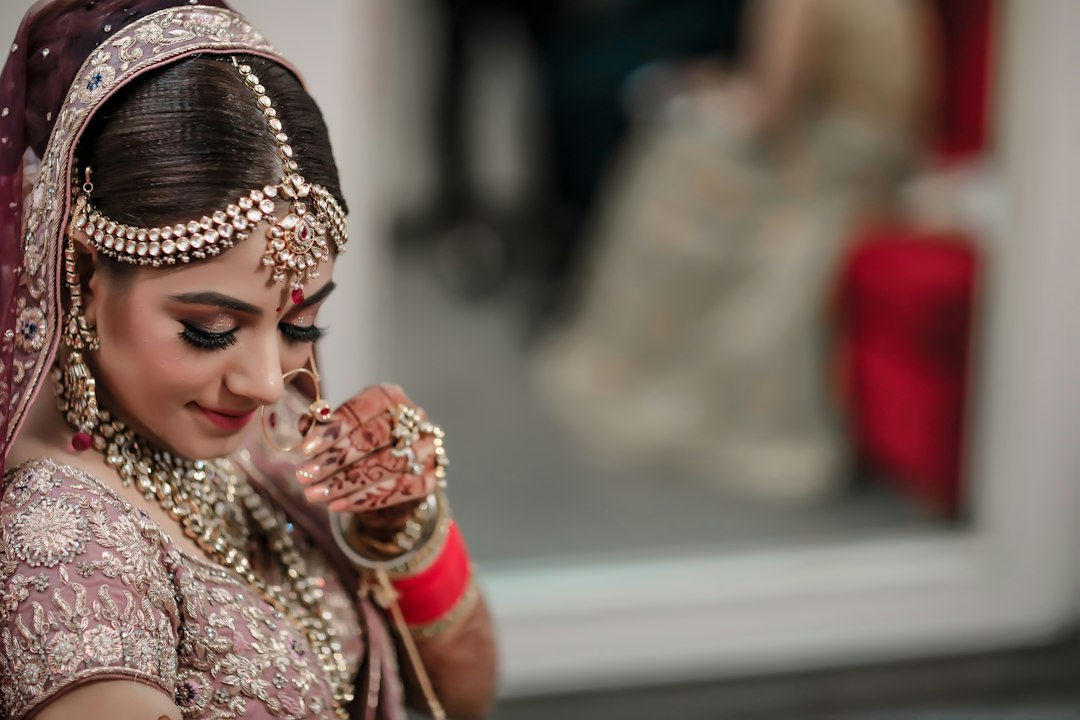
Bridal lehengas are high-value pieces, so buy carefully. Red, maroon and wine remain the safest colours. Pastels, peach and ivory sell well with younger brides in cities and abroad. Keep a small but strong bridal range rather than many average pieces, because brides compare closely and expect detailed work. Browse bridal lehenga choli.
2. Guest and Party Wear Lehengas
This is usually where most of the volume is. Sisters, cousins and friends of the bride want something festive that costs far less than a bridal lehenga. Lighter fabrics, sequin work and modern colours do well here. Party wear lehengas and Indo-Western lehengas cover most guest needs.
3. Wedding and Silk Sarees
Mothers, aunts and older guests often prefer sarees. Silk and silk-look sarees with zari borders are the steady sellers, along with heavier designer sarees for the reception. If you serve South Indian customers, keep Kanjivaram-style and pattu sarees in your range. See wedding sarees and bridal sarees.
4. Sharara, Anarkali and Wedding Suits
Not every guest wants a lehenga or saree. Sharara suits, long Anarkalis and heavy wedding salwar suits are comfortable for long functions and sell well with all age groups. They are also easier to sell after the season ends. Look at sharara suits and wedding salwar suits.
5. Menswear: Sherwanis, Kurta Sets and Jodhpuris
Menswear is often an easy add-on. The groom needs a sherwani, and his family and friends need kurta pajama sets, Modi jacket sets or Jodhpuri suits. Matching family outfits are also popular. Browse sherwanis and kurta pajama.
6. Accessories That Raise the Bill
Earrings, bangles, potli bags and necklaces cost little to stock and add to every bill. Display them next to lehengas and sarees so customers can complete the look in one visit. See wholesale accessories.
How to Plan Your Wedding Season Buying
- Buy in two rounds. Place a first order early, watch what sells in the first few weeks, then re-order the fast sellers.
- Keep bridal stock small and strong. A few excellent pieces sell better than many ordinary ones.
- Put most of your budget into guest wear. That is where the volume is.
- Check stitching options. Many lehengas come semi-stitched. Customers who cannot find a tailor before the wedding may prefer readymade pieces.
- Watch your local wedding calendar. Auspicious wedding dates vary by region and community. Ask your regular customers when the busiest weeks are in your area.
Mistakes to Avoid
- Spending most of the budget on a few expensive bridal pieces
- Ignoring menswear when families prefer to shop together
- Ordering only in red and maroon when your customers want pastels too
- Re-ordering too late, after fast sellers have sold out at the manufacturer
Frequently Asked Questions
When does the Indian wedding season start?
For most of North and West India, the main season runs roughly from November to February, with a second peak in some regions around April to June. Exact dates depend on auspicious muhurat dates, which change every year.
Should I buy bridal lehengas in full catalogs?
For high-value bridal pieces, single pieces can be safer for a small boutique. For guest wear, full catalogs usually give the best per-piece price.
Can I order lehengas, sarees and menswear together?
Yes. Mixed orders are common in wedding season, and one shipment keeps your shipping costs lower.
Stock Up for Wedding Season
The Ethnic World supplies lehengas, sarees, suits, sherwanis and accessories at wholesale prices from Surat, with shipping across India and worldwide. Message our team on WhatsApp with your budget and customer type, and we will suggest catalogs that suit your boutique.
Wholesale Lehengas by City and Country
India: Delhi | Mumbai | Amritsar | Chandigarh | Jaipur | Hyderabad | Bangalore
International: Canada | UAE | Australia | Singapore | Mauritius
Related Reading
- Diwali 2026 Wholesale Guide for Retailers
- Surat Textile Market Guide
- Haldi Dress Ideas for Bride
- Lehenga Designs for Mehndi Ceremony
- Different Types of Sherwani for Men
Image: Alok Verma on Unsplash

