Bharat Tex 2026, India’s largest textile and apparel trade event, ran from 14 to 17 July 2026 at Bharat Mandapam in New Delhi. Union Textile Minister Giriraj Singh opened the event, and the final numbers released by the Ministry of Textiles show it was a busy four days.
Bharat Tex 2026 in Numbers
According to figures from the Textile Ministry reported by The Pioneer:
- 1,647 exhibitors
- About 95,000 business visitors
- 11,315 buyers, of whom 6,090 came from outside India
- 3,461 delegates
- Participants from 138 countries
- Around $2.8 billion in serious business enquiries
Rs 14,300 Crore in State Investment Commitments
Several states used the event to sign agreements with textile companies. More than 30 MoUs were signed, adding up to roughly Rs 14,300 crore in investment commitments. The ministry highlighted:
| State | Investment | Jobs mentioned |
|---|---|---|
| Andhra Pradesh | Rs 4,100 crore | – |
| Karnataka | Rs 2,821 crore | 11,020 |
| Bihar | Rs 1,476 crore | Over 40,500 |
| Maharashtra | Rs 1,095 crore | – |
Separately, textile recycling company RE&UP announced plans to invest Rs 4,800 crore in India.
Other Announcements Worth Knowing
- Amazon India and TEXPROCIL signed an MoU to help cotton textile makers sell abroad through e-commerce, as reported by Textile Insights.
- CXO Blueprint 2030: The Clothing Manufacturers Association of India (CMAI) and the Global Alliance for Textile Sustainability released a strategy report on growing India’s textile exports.
- Prime Minister Narendra Modi shared an article on how the event ties into India’s Vision 2030 plan for the textile sector.
What It Means for Retailers and Wholesale Buyers
Over 6,000 international buyers in one place shows how much global interest there is in Indian textiles. For boutiques and importers abroad, it confirms that Indian ethnic wear is a growing category, not a niche one.
The push toward e-commerce exports is also worth watching. As more Indian suppliers sell online to overseas buyers, small boutiques and online sellers can source directly from manufacturers instead of relying on several layers of middlemen.
New state investments will take time to turn into factories and products. In the short term, the main effect for buyers is more competition among suppliers and a wider choice of fabrics and designs.
Source Directly from Surat
You don’t need to wait for a trade fair to buy from Indian manufacturers. The Ethnic World supplies sarees, kurtis, lehengas and more from Surat to buyers worldwide. See our Surat textile market guide or the international buyer page.
Sources: The Pioneer (citing the Ministry of Textiles), Textile Insights and PMIndia. This article is our own summary and analysis of their reporting.
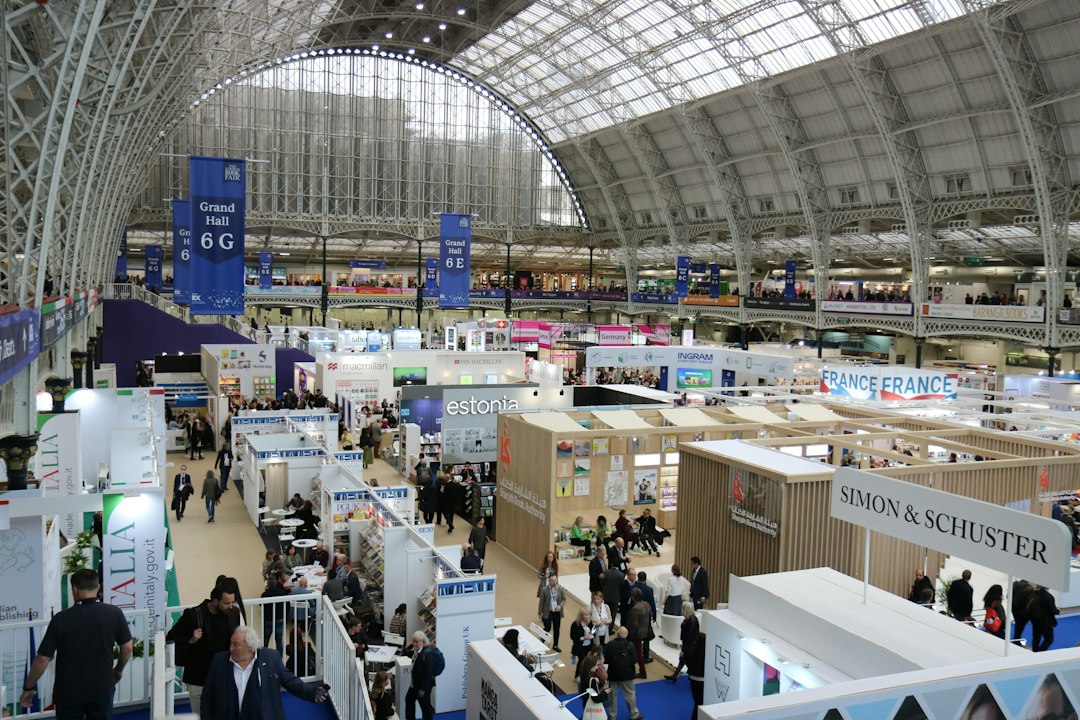
Image: Euronewsweek Media on Unsplash (representative image)