
A Paithani saree is a silk saree from Maharashtra, named after the town of Paithan. It is woven from silk and zari (metallic thread), and it is best known for the peacock design on its pallu and its bright colours. This guide explains where it comes from, how it is made, which motifs to look for, and how to tell a hand-woven piece from a copy.
Where does the Paithani saree come from?
The saree is named after Paithan, a town in Maharashtra where it was first woven by hand. Weaving in Paithan is linked to the Satavahana period, around the 2nd century BCE to the 2nd century CE. Today the largest centre is Yeola, a town in Nashik district. According to Wikipedia, some weavers were moved from Paithan to Yeola by the Peshwas in the 17th century. Paithani sarees hold a GI (Geographical Indication) tag, which recognises their link to Paithan.
How is a Paithani saree made?
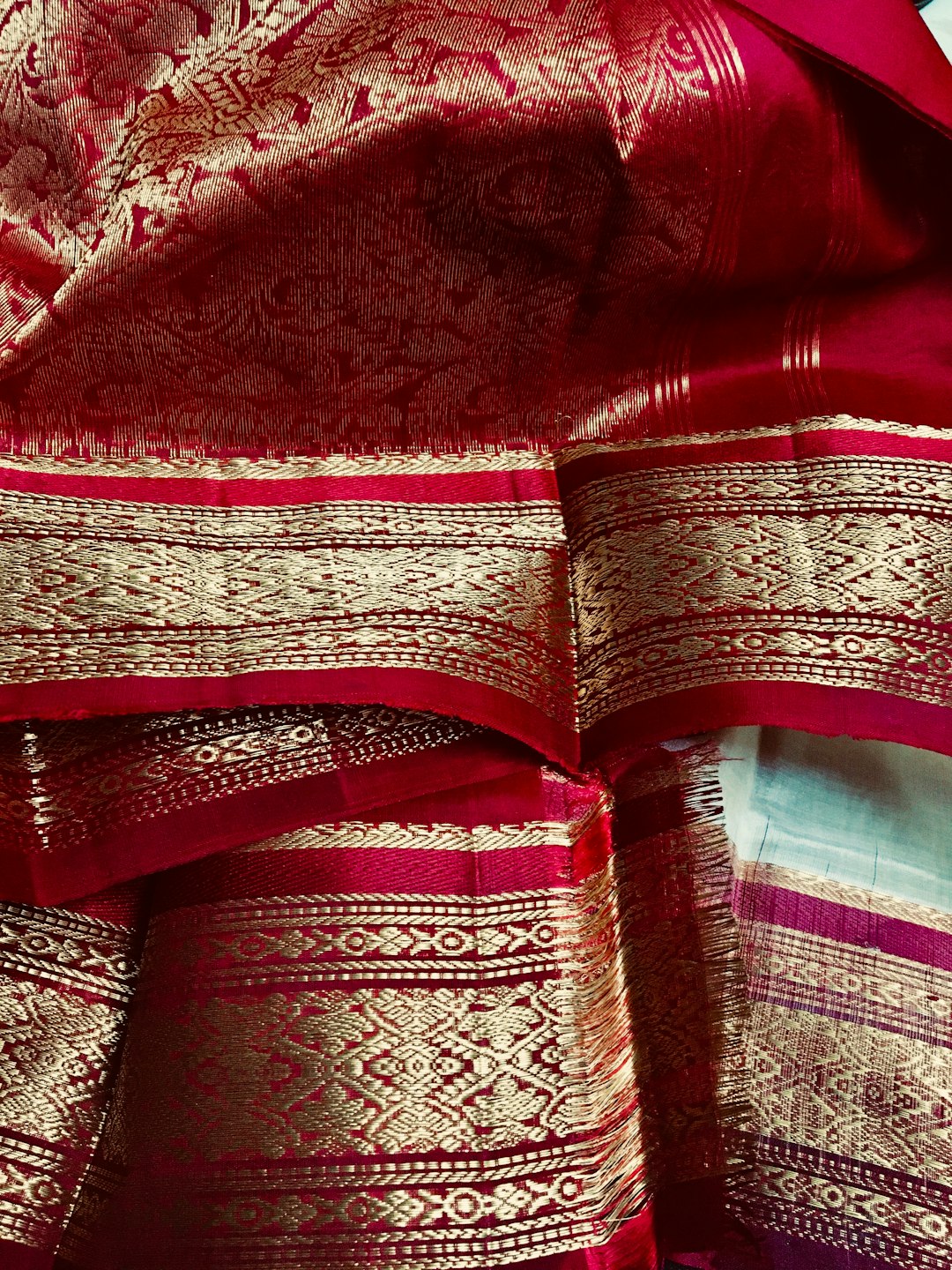
A Paithani is woven on a handloom. The body is woven with a shuttle, and small bobbins are used to weave the border and pallu designs in a tapestry-style technique. Because the design is woven into the cloth, it is not printed or stuck on.
- Silk: good quality mulberry silk is used today. According to Aza Fashions, a six-yard saree uses about 500 g of silk.
- Zari: it was once pure gold and silver. Today artisans often use silver thread coated with gold. The same source says a six-yard saree uses about 250 g of zari.
- Time: a simple Paithani can take about a month. A heavy, detailed one can take six months to a year. Sources give different figures for the most complex pieces.
- Colours: bright shades such as magenta, peacock blue, purple and parrot green.
Paithani motifs and borders
The pallu is the main focus of a Paithani saree, and the motifs have names:
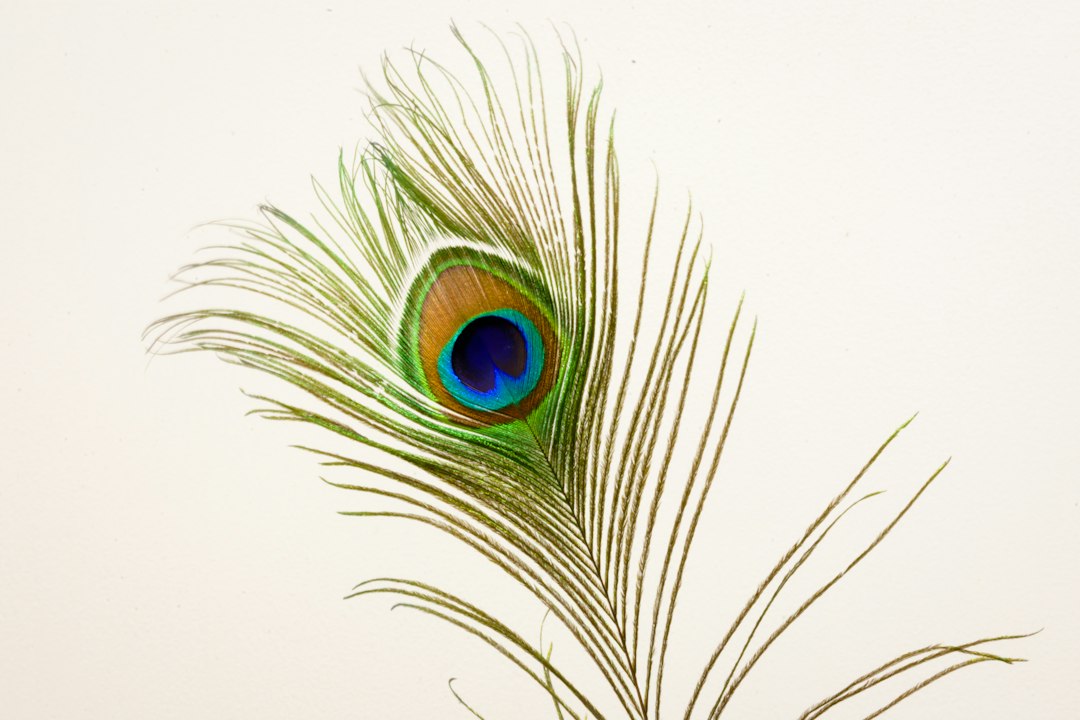
- Mor (peacock): the best-known pallu motif, often shown in pairs.
- Muniya (parrot): usually on the border, often in green and red.
- Kamal (lotus) and hans (swan): classic motifs found on many sarees.
- Asawali: a flowering vine pattern.
- Narali: a coconut-like border pattern, one of the most common borders.
- Butis: small stars, circles or flowers scattered on the body.
Some Paithanis are known by how the border and body are woven. In the kadiyal type, the border and body are in contrasting colours and are interlocked. In the ekdhoti type, a single shuttle gives a dual-tone effect.
How to tell a real hand-woven Paithani
These checks come from the Aza Fashions guide to Paithani:
- The design is woven in, so it looks the same on both sides. A printed or embroidered design will not.
- The finish is smooth and glossy.
- The saree is made on a handloom, not a power loom.
Machine-made copies are also sold, sometimes under names like semi-Paithani. If the fabric, the zari or the method matters to you, ask the seller and keep the answer in writing. A similar approach works for other silk sarees, as in our guide to identifying a pure Kanjivaram silk saree.
Paithani and nauvari are not the same
A Paithani is usually draped in the classic style, with pleats at the front and the pallu over the shoulder. The nauvari is a nine-yard saree worn like a dhoti. Both are part of Maharashtra’s dress traditions, but they are separate things. You can read about the drapes in our guide to nauvari saree styles and draping.
When is a Paithani worn?
The Paithani is important at Maharashtrian weddings and celebrations. It is described as one of India’s most elegant and expensive sarees, which is why many families keep one for special occasions. For other regional silks, see our types of sarees in India and the difference between Banarasi and Kanjivaram sarees.
Paithani sarees for wholesale buyers
If you buy sarees for a shop, our Paithani sarees wholesale page lists sarees in silk, satin and fancy fabrics. When this was written, listed prices ran from ₹499 to ₹2,865, and the sets had 4 to 14 pieces. Check the fabric on each listing, and ask our team if you need to know whether a particular design is handloom or machine-made.
You can pay online, or contact our customer service team for bank details and pay by transfer. We ship all over the world. Please read our refund policy and terms and conditions before ordering. For more sarees, see our wholesale sarees and wedding sarees.
Frequently asked questions
What is a Paithani saree?
A silk saree with zari work from Maharashtra, named after the town of Paithan. It is known for its peacock pallu and bright colours.
Where is Paithani made?
It was first made in Paithan. Today Yeola, in Nashik district, is the largest centre.
Is a Paithani saree handloom?
A genuine Paithani is woven on a handloom. Machine-made copies are also sold, so ask the seller before you buy.
Which motif is the most famous?
The peacock on the pallu.
Does a Paithani saree have a GI tag?
Yes. Paithani sarees hold a GI tag that recognises their link to Paithan.

