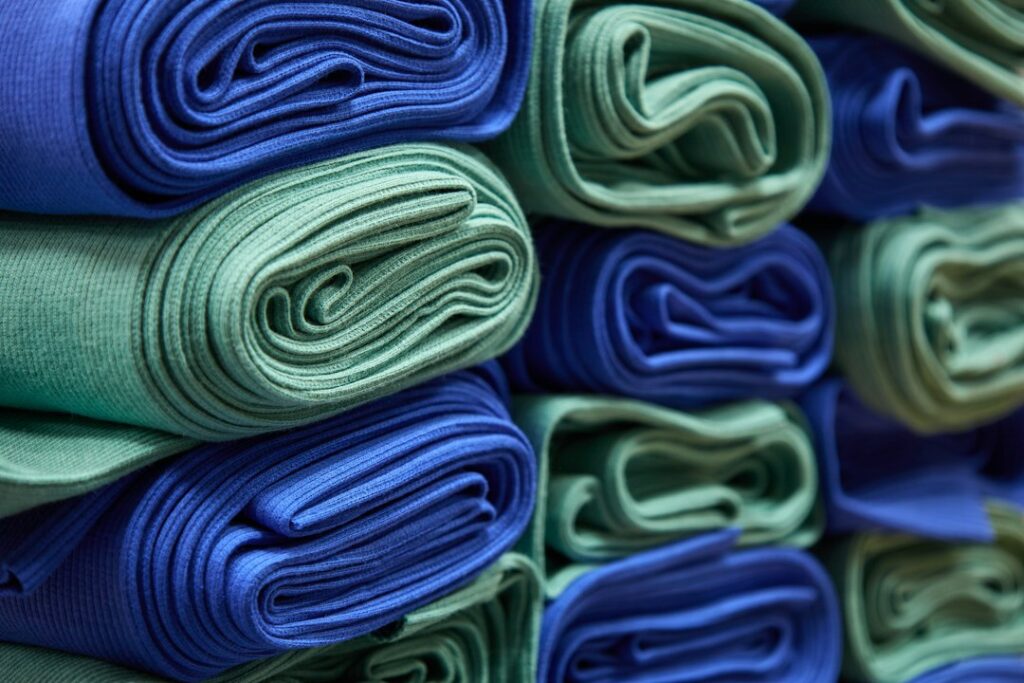
India’s textile and apparel exports moved in opposite directions in June 2026. Fabric and yarn exports grew, but garment exports dropped sharply, leaving the combined total almost flat. The figures come from the Confederation of Indian Textile Industry (CITI), based on Ministry of Commerce data, as reported by India Sea Trade News.
The June 2026 Numbers
- Textile exports: up 9.64% year-on-year
- Apparel exports: down 11.25%
- Combined textile and apparel exports: USD 2.91 billion, up just 0.21%
The First Quarter Was Weaker
Looking at April to June 2026 as a whole, the gap is wider:
| April–June 2026 | Change from last year |
|---|---|
| Textile exports | +5.19% |
| Apparel exports | −12.44% |
| Combined exports | −2.95% (USD 8.81 billion vs USD 9.08 billion) |
Textiles and apparel also made up a smaller share of India’s total merchandise exports: 7.19% in June 2026, down from 8.30% a year earlier. Meanwhile, imports of textile yarn, fabrics and made-ups rose 4.93% to about USD 216 million, a sign that manufacturers are still buying raw materials.
What’s Behind the Split?
CITI’s analysis points to continued weakness in apparel as the main drag. India’s fabric and yarn makers remain competitive, but garment exporters have faced tougher conditions in key overseas markets. Trade analysts have pointed to tariff pressure in the United States over the past year as one reason exporters have been looking to diversify into other markets.
There are early signs of improvement. Later data for August 2026 showed ready-made garment exports growing again, by 6.1%, while total textile exports rose 16.1%. You can read more in our report on India’s August 2026 textile exports.
One More Thing to Watch: Cotton Import Duty
To ease raw material costs, the government exempted raw cotton imports from customs duty and the Agriculture Infrastructure and Development Cess from 1 June to 31 October 2026, according to a note filed by Sanathan Textiles with the stock exchanges. The exemption is due to end this month. If it is not extended, cotton fabric costs could change in the months ahead.
What It Means for Buyers
- Domestic ethnic wear is a separate market. Most sarees, suits and lehengas sold in India and to the Indian diaspora are not part of the big branded apparel export figures, so this slowdown does not directly mean weaker supply for ethnic wear buyers.
- Cotton prices may move. If you stock cotton kurtis, cotton sarees or cotton dress materials, consider placing wedding-season orders before any price changes after October.
- Synthetic fabrics remain steady. Surat’s georgette, crepe and polyester-based products are less affected by cotton duty changes.
Browse wholesale cotton sarees, cotton kurtis and cotton dress materials, or message us on WhatsApp.
Sources: CITI export analysis as reported by India Sea Trade News (15 July 2026); cotton duty details from Sanathan Textiles’ media note (1 June 2026). This article is our own summary and analysis of their reporting.
Image: J Williams on Unsplash